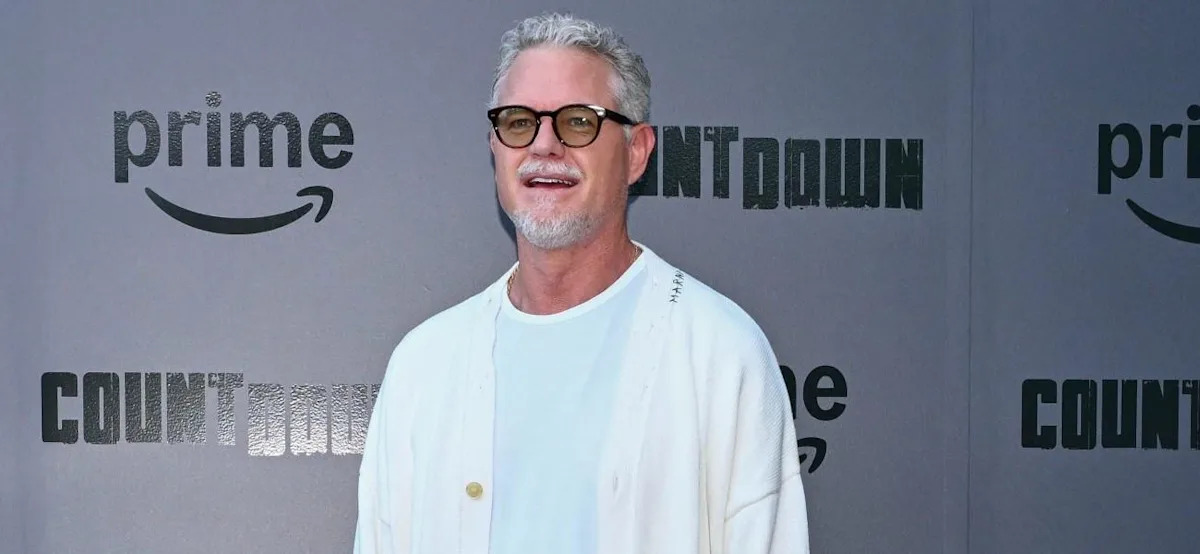
Eric Dane Breaks Down His 'Fired' Exit From Grey's Anatomy
For years, fans have speculated about the dramatic departure of Dr. Mark Sloan, affectionately known as "McSteamy," from the beloved medical drama Grey's Anatomy. After captivating audiences for six seasons, actor Eric Dane exited the show in 2012, leaving a gaping hole in the hearts of viewers and the fictional halls of Seattle Grace. While the on-screen farewell was undeniably tragic, Dane recently offered a candid, behind-the-scenes look at the real reasons behind his exit, suggesting that he was, in his own words, "probably fired."
In a revealing conversation on Dax Shepard's "Armchair Expert" podcast, Dane peeled back the layers of a complex situation, citing a combination of economic realities and personal struggles that ultimately led to his character's demise. His insights provide a rare glimpse into the often-opaque world of network television and the challenging decisions faced by both actors and production companies alike.
The Unpacking of a "Fired" Exit: The Economics of Television
The primary driver behind Eric Dane's departure, as he explained, was a common, yet often unacknowledged, reality in long-running television series: the escalating cost of veteran actors. "I was starting to become, as most of these actors who have spent significant time on a show, you start to become very expensive for the network," Dane revealed. This blunt assessment underscores a crucial aspect of Hollywood economics.
As a show like Grey's Anatomy gains momentum and critical acclaim over many seasons, the contracts of its core cast members typically include significant salary increases. While a testament to an actor's value and contribution to the show's success, these escalating costs can eventually become a financial burden for the network, especially when balancing a large ensemble cast. Networks, ever-conscious of their bottom line, often assess whether a show's success is tied to every single cast member or if it has reached a point where it can sustain itself with a slightly trimmed, and thus more budget-friendly, roster.
Dane articulated this perfectly, stating, "The network knows that the show is going to do what it's going to do irrespective of who they keep on it. As long as they have their Grey [Ellen Pompeo], they're fine." This perspective highlights how, in the grand scheme of a network's financial strategy, even immensely popular characters like McSteamy might be deemed expendable if the show's overall brand and titular character remain strong. It's a stark reminder that even in the world of compelling storytelling, business decisions often reign supreme. For a deeper dive into this financial aspect, read Becoming Too Expensive: The True Reason Eric Dane Left Grey's Anatomy.
Beyond the Balance Sheet: Personal Struggles and Professional Pressures
While the economic argument formed the backbone of Dane's explanation for why he was "probably fired," he also courageously opened up about his personal battles with addiction during his tenure on the show. This revelation adds another layer of complexity to his exit, though he was careful to clarify its role.
"I didn't leave so much as I think I was let go...I was struggling, they didn't let me go because of that although it definitely didn't help," Dane confessed. He explained that while he had been sober for "three or four years already" before being cast as Mark Sloan, his time on the hit series proved challenging. "If you take the whole eight years I was on Grey's Anatomy, I was f***** up longer than I was sober and that was when things were becoming problematic."
This candid admission sheds light on the immense pressures actors face in the public eye. The demanding schedule, constant scrutiny, and intensity of Hollywood can take a significant toll on mental health and sobriety. While Dane maintains his struggles were not the direct cause of his firing, it's undeniable that personal challenges can complicate an actor's professional standing and potentially contribute to a network's decision-making process when considering the overall viability of a long-term contract.
Dane's honesty serves as an important reminder that even seemingly invincible public figures grapple with profound personal struggles. His willingness to discuss these difficulties offers a valuable lesson in vulnerability and the ongoing journey of recovery, especially in high-pressure environments. Maintaining a supportive network and seeking professional help are crucial for anyone navigating such demanding careers.
Shonda Rhimes' Fierce Protection and the Nature of the Exit
Amidst the financial calculations and personal battles, Eric Dane spoke with profound gratitude about the support he received from Grey's Anatomy showrunner, Shonda Rhimes. "She protected us fiercely," Dane stated. "I love Shonda Rhimes, and she protected me, but I was probably fired. It wasn't ceremoniously like, 'You're fired.' It was just like, 'You're not coming back.'"
This distinction is telling. It suggests that while the ultimate decision to let him go may have come from the network, Rhimes herself, known for her loyalty to her cast, likely navigated the situation with as much grace and protection as possible. Her approach highlights the delicate balance showrunners often strike between creative vision, cast welfare, and the harsh realities of television production. It's a testament to Rhimes' reputation for fostering a protective environment, even when difficult, business-driven choices are unavoidable.
The "unceremonious" nature of the exit – a quiet "you're not coming back" rather than a dramatic "you're fired" – reflects a common industry practice. Such transitions are often handled discreetly to maintain positive relationships, avoid public drama, and facilitate smoother transitions for all parties involved. It's a professional, if heartbreaking, way to manage the end of an actor's tenure on a long-running show.
The Legacy of McSteamy: A Farewell that Rocked Grey Sloan
Regardless of the behind-the-scenes mechanics, Dr. Mark Sloan's exit from Grey's Anatomy was nothing short of devastating for fans. Introduced in Season 2, McSteamy quickly became a fan-favorite, known for his charm, surgical prowess, and the iconic on-again, off-again romance with Lexie Grey. His character's dramatic arc culminated in one of the show's most heartbreaking storylines.
In the final two episodes of Season 8, Mark, Lexie, and several other characters were involved in a catastrophic plane crash while en route to assist with a surgery in Boise. Lexie died at the scene, with Mark confessing his enduring love for her in her final moments. The Season 9 premiere revealed Mark had sustained critical injuries and was on life support. Following his will's demands, the machines were eventually turned off, and the beloved plastic surgeon passed away. This double tragedy, affectionately dubbed "Slexie" by fans, left an indelible mark on the series and its audience, solidifying Mark Sloan's place in Grey's Anatomy history.
The ability of Grey's Anatomy to endure and thrive despite such significant cast changes speaks volumes about its narrative strength and the connection viewers have with its core themes and remaining characters. While departures like Dane's are always difficult, the show has consistently found ways to weave new talent into its fabric, ensuring its longevity. For more details on Eric Dane's perspective, check out Eric Dane Explains Why He Was Fired From Grey's Anatomy.
Lessons from a Hollywood Exit
Eric Dane's candid revelations offer several key takeaways for anyone interested in the inner workings of Hollywood or navigating career transitions:
- Industry Realities: Even the most popular actors are subject to the economic realities of network television. Longevity often comes with a price tag that networks may eventually deem too high.
- Transparency and Vulnerability: Dane's openness about his struggles with addiction during his time on the show highlights the importance of honesty and seeking support, even in the public eye. His journey serves as a powerful reminder that personal challenges can intersect with professional life.
- The Power of a Brand: For a show like Grey's Anatomy, the brand itself—its premise, storytelling, and remaining core—became larger than any single supporting character. This allows productions to make tough decisions without necessarily jeopardizing the entire series.
- Graceful Departures: The way an exit is handled, whether "unceremonious" or otherwise, can speak volumes about the relationships and respect within a production.
Eric Dane's reflection on his departure from Grey's Anatomy paints a nuanced picture of a Hollywood exit. It wasn't a single, dramatic event, but rather a confluence of financial decisions, personal challenges, and the complex dynamics of a long-running television machine. His honesty provides invaluable insight, reminding us that behind every iconic character is an actor navigating the intricate, often unforgiving, landscape of the entertainment industry.